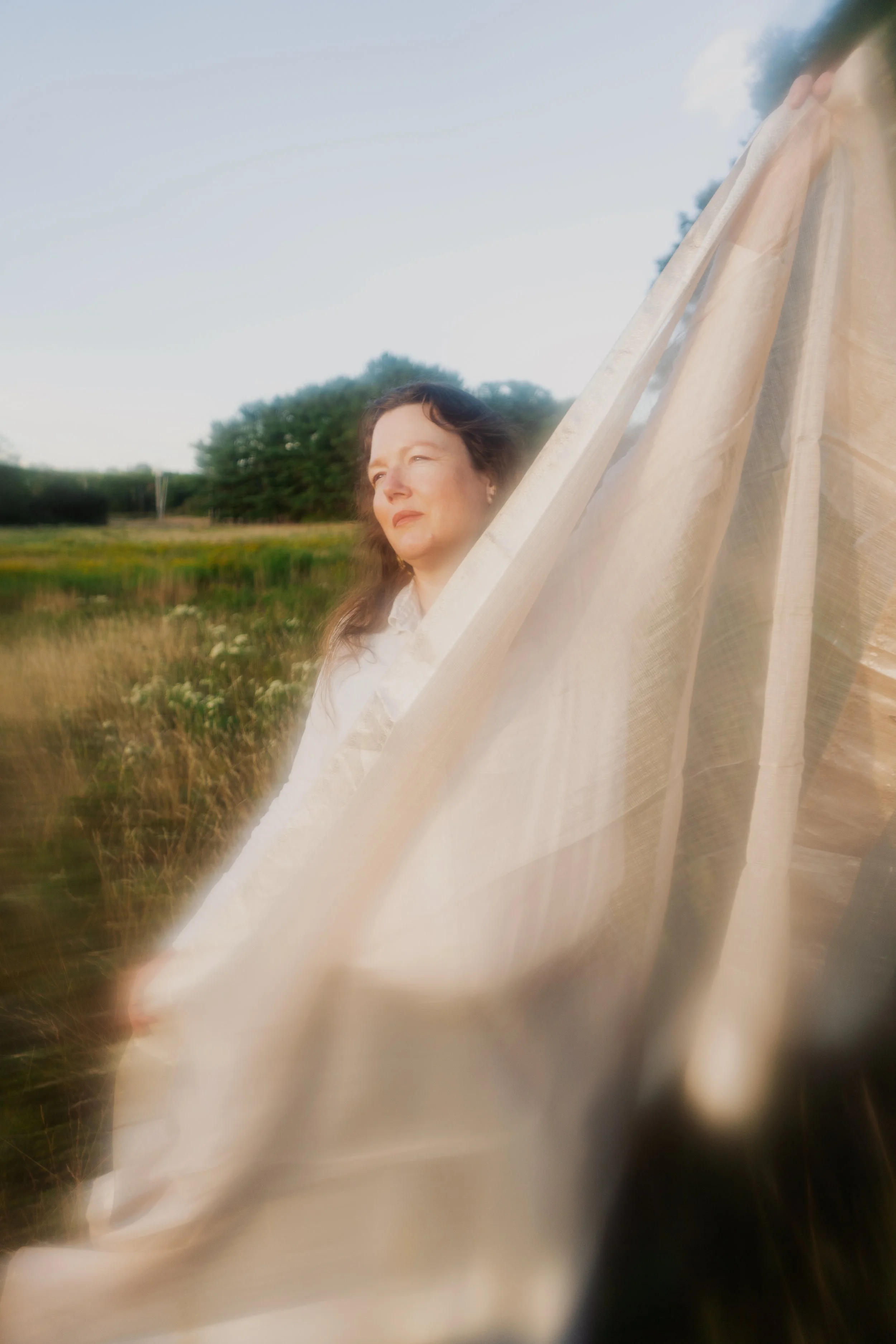
Ayurvedic Skincare: An interview with Natalie Durham
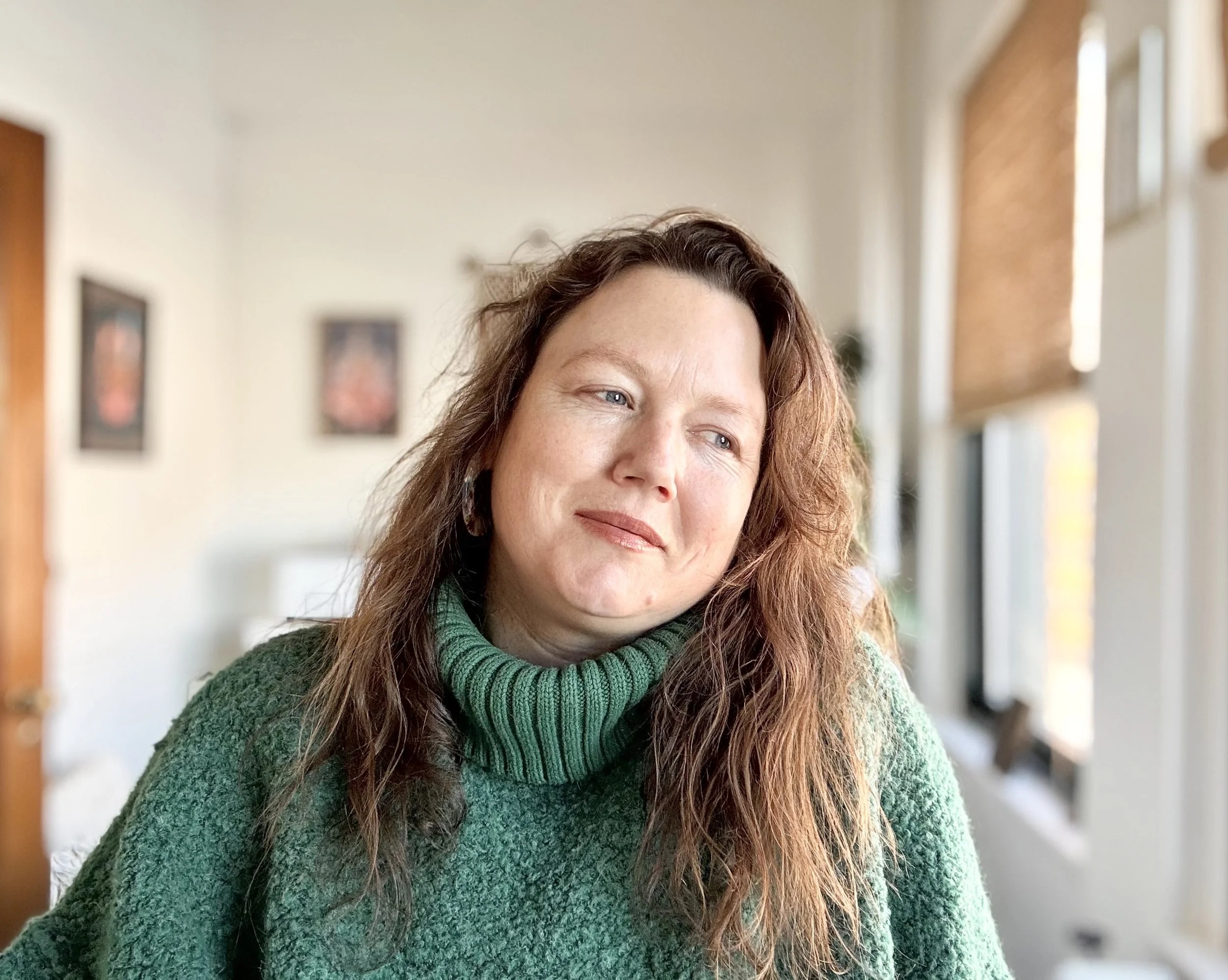
Natalie Durham is an Ayurvedic Practitioner and Licensed Esthetician whose work brings together Ayurvedic wisdom, therapeutic touch, and a deeply considered approach to beauty, aging, and skin health. She offers facials and other Ayurvedic treatments at Una for select weekends throughout the year, timed with the seasonal transitions.
We sat down with Natalie to learn more about her background, her approach to working with the skin, and the philosophy that shapes her treatments.
Q: What initially drew you to Ayurveda?
Natalie: My family were pioneers in the natural foods movement. They owned and operated the first natural foods store (called The Super Carrot) of its kind in a small mountain town in Northern Arizona, and I literally grew up in the store.
There was also a well known “cult” in the area: a Guru, an Ashram, an estoteric/spiritual bookstore; and a swath of rumors surrounding them. Many of the members of the “Hohm Community”—as it was called—shopped at our store. Through a series of complex synchronicities, my mother and I ended up moving onto the Ashram in the early 1980s.
It was nothing like the rumors, and it was there that my exposure to East Indian spirituality and philosophy really began. While our Western style Ashram wasn’t as strict as many of those found in India, we did live close to nature—mindful of its rhythms—consume a primarily vegetarian diet, explore Bhakti style spiritual expression, practice yoga, and so on.
Sometime in the late 80s, Dr. Robert Svaboda—the preeminent scholar and Western authority on East Indian Vedic traditions—became a friend of the Guru and Hohm Community. Because of his lectures and teachings, I became aware of Ayurveda in a more robust way.
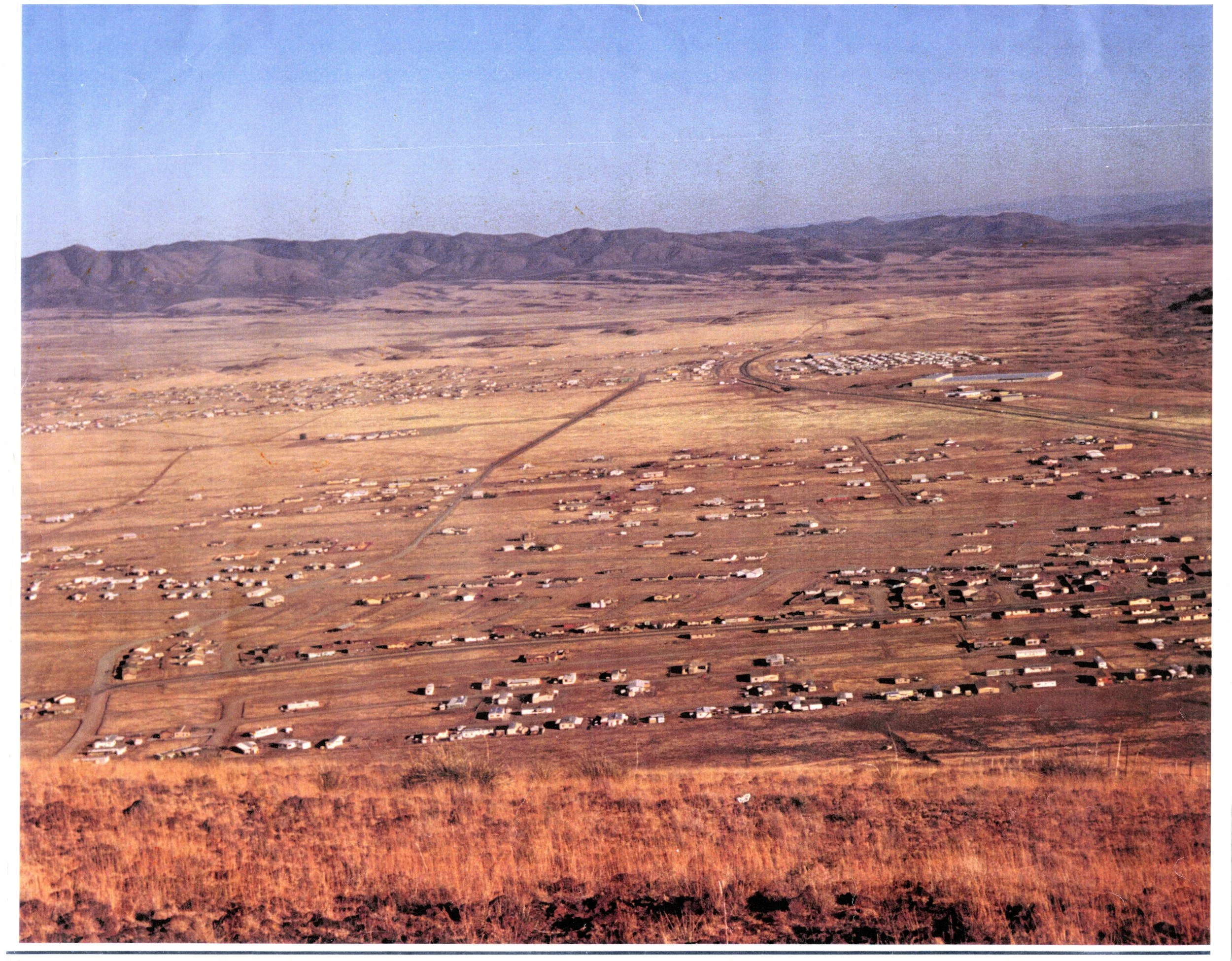
Prescott Valley, Arizona in 1980
Q: What about skincare?
Natalie: My love for creating skincare products also began in The Super Carrot, in the bulk herb section. We had clays, herbal powders, yummy smelling butters…I spent a lot of time by myself (an only child) in the yard behind our store making things with “stolen” morsels.
Those early formulas contained strange ingredients that mostly didn’t suit the skin—powdered beet root, unsifted mud, water from a hose—but the seeds were planted for future medicine and potion making.
I also loved the way touch made me feel—when my grandmother braided my hair, when I woke in the night and gently brushed my fingertips like a soft comb along the undersides of my arms, back and forth, until I fell back asleep.
I remember loving the idea of “spa time”—pampered, luxurious indulgence for the senses. Like many teens in the West, I was a bit obsessed with my skin. Thankfully, my mom encouraged me not to use anything harsh, and, eventually, we began making “real” products for the store.
From then on, I never stopped! I even spent a period of my daughter’s early life making lotions and soaps with fresh goats milk from our own Nigerian goat herd, milked by hand daily. I appreciate pure, simple (even edible) ingredients in skincare products.
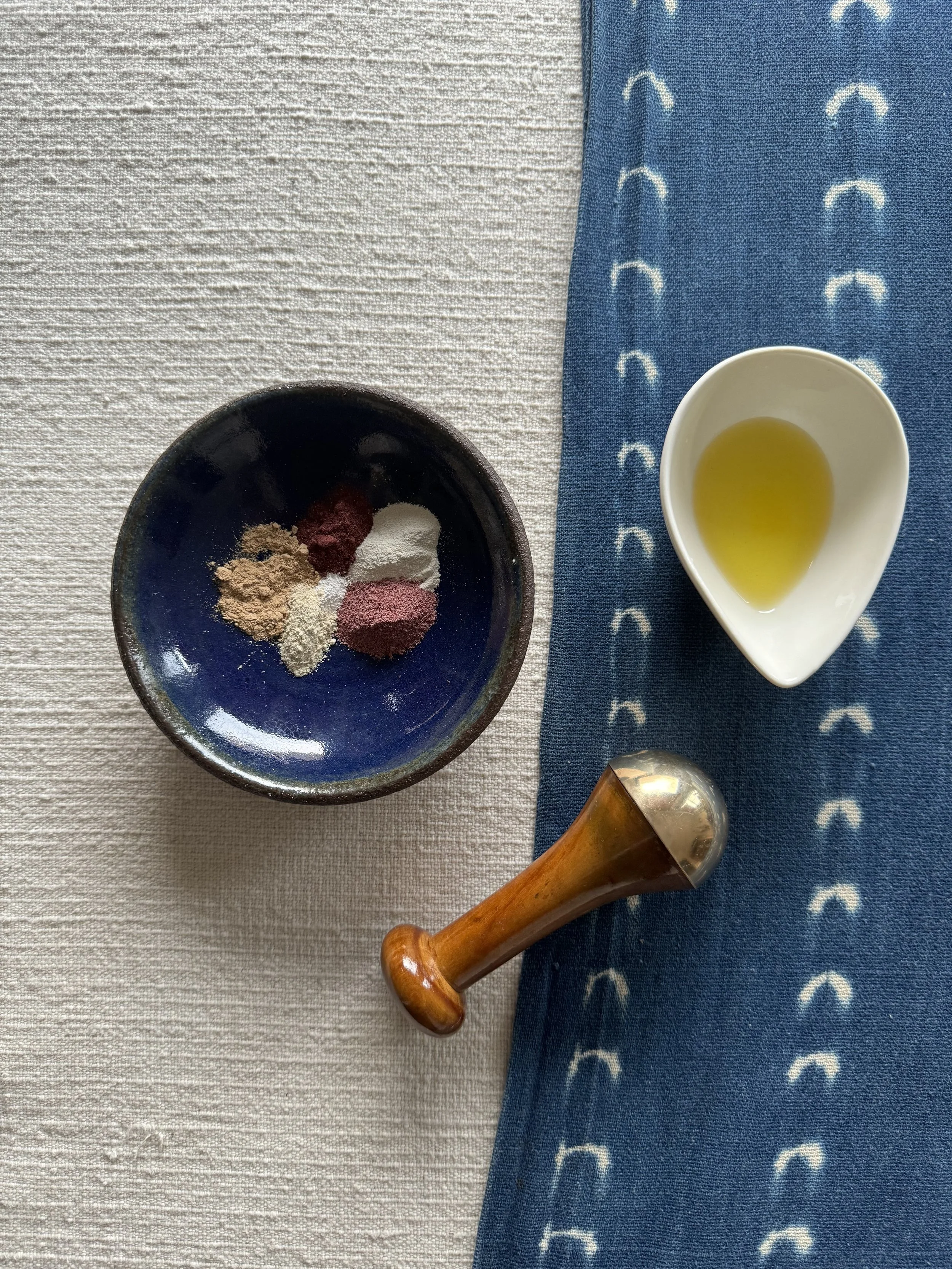
Q: How did these two interests intersect to bring you to your work today as an Ayurvedic esthetician?
Natalie: I am, and have always been, highly intuitive, sensitive, and creative. Pursuing skincare and product creation wouldn’t have surprised those who knew me as a child, but I don’t think anyone—including myself—saw me as a typical candidate for the study of Ayurveda.
The study of a subject as complex and science-y as Ayurveda didn’t appear to suit my natural disposition. In fact, I rejected it at first—it struck me as too strict and rigid—and many of the adults I grew up around on the Ashram questioned by ability to absorb, digest, and teach such challenging material. Regardless (and maybe in part out of rebellion), I studied it formally all the way through Practitioner level. As my understanding grew (of both Ayurveda and myself), it became clear that I naturally gravitated toward the most feminine aspects of the subject—the soothing, pacifying, nurturing and nourishing elements of Ayurvedic wisdom.
These attributes are cultivated and regulated through the skin, through skin care, and through touch. They are the ongoing focus of my studies and practice.
Q: What feels most important to you about your work as an Ayurvedic esthetician?
Natalie: Ayurveda teaches that we are inherently connected to the natural world. Right now it feels most important to me to remember and remind myself and others that nature is cyclical and primarily slow moving—and that these are essentially feminine forms of expression. The feminine is not gender specific. It simply holds, nourishes, heals, and provides for us without question.
Nature is not ageist. Aging is natural, beautiful, expected, and okay. It reminds us that we are inherently connected to the natural world: we are born, we live, hopefully we age, and then we die. To imagine and behave as if we are not part of this cycle will only lead to “dis-ease.”
It feels essential to me to actively work against the prevailing modern toxic “beauty” culture, and its standards that primarily prey upon women, commanding us to stop aging, stay small, quiet, weak and frozen expressionless objects. I like to call myself an Ayurvedic skin therapist because honestly the word “esthetician” feels deeply attached to the standards I just mentioned. Esthetics training and licensing helped create a legal framework that allows me to connect with a client’s nervous system and help to regulate it through therapeutic touch and skin to skin contact. Outside of this context, I have no tolerance for what Western esthetics represents and promotes.
Ayurveda has a simple, beautiful way of looking at care for the skin. Its most basic tenants are these: love yourself, bathe your skin in rose water, slather it in warm oil and massage it daily. That is mostly it!
Q: Where does beauty come from?
Natalie: According to Ayurveda beauty comes from the same principles which bring about good health. These include the quality of our Agni (digestive fire) and our ability to “digest” everything we consume on every level through our senses. It comes from the quality of our Ojas (natural “immunity”). Healthy Ojas helps to give our skin a luminous quality, our eyes a brightness, our hair a luster, our body a supple softness, our mind a caring nature, and our emotions even toned and positive.
Beauty is a life lived with dignity. There is purpose and grace in our movements. There is kindness and care in our communications. There is balance in our daily rhythms. I would venture to say that beauty is a response to something intangible — a quality, a movement, a flash that sparks a sense of connection and attraction within us. Beauty is never defined by our age, gender, or other superficial assessments.
Q: What role does touch play in your work?
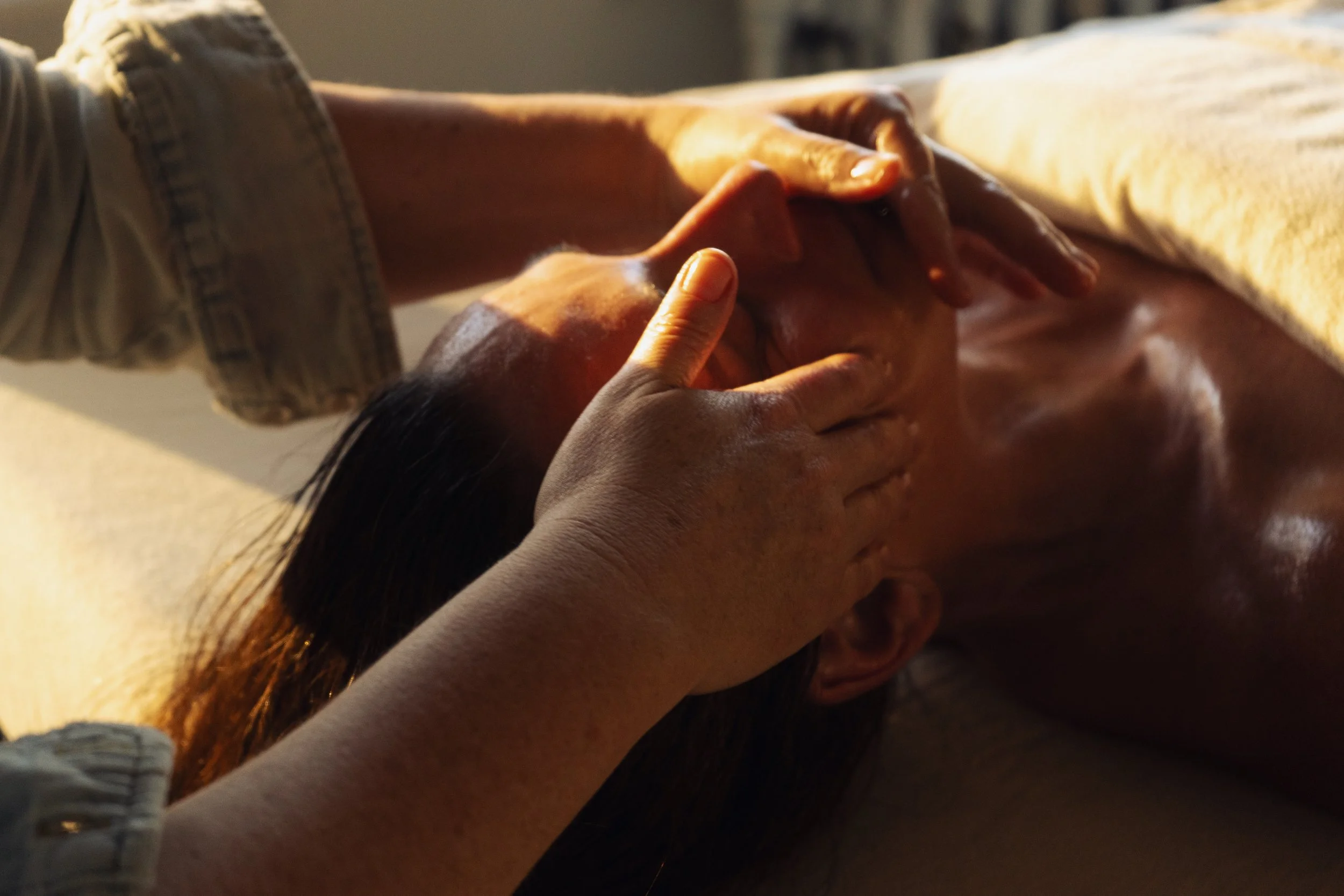
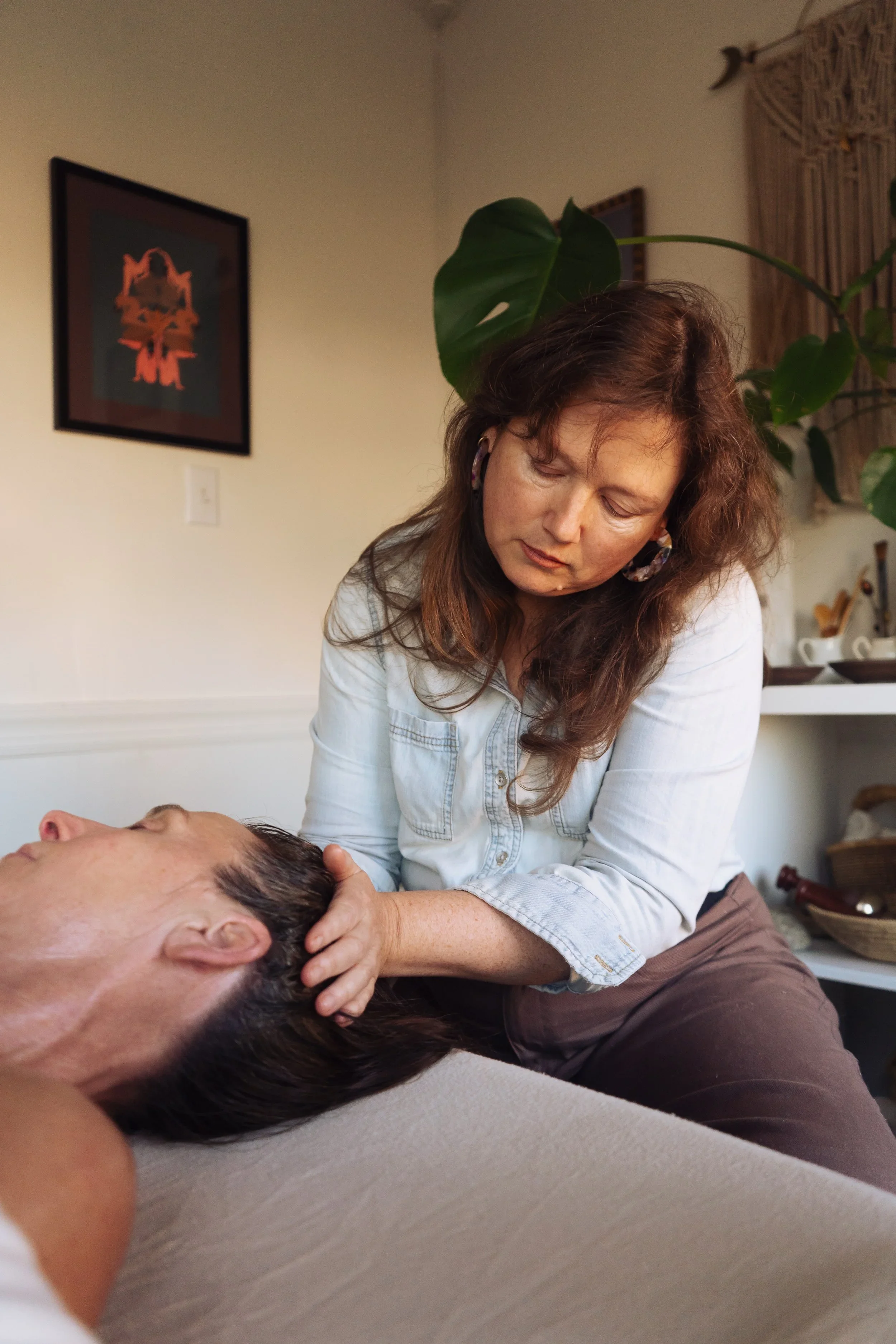
Natalie: Touch directly affects the nervous system. Intentional therapeutic touch regulates the nervous system and pacifies the Vata Dosha (air and ether).
In my practice I employ a variety of touch therapies from both Western and Eastern traditions, including touch that attends to the energetic body or system. In Ayurveda this system is known as Marma. Marma points cover the entire body, with nearly 40% located in the upper chest, neck, face and head regions. Marma can be activated, cleared, and soothed through therapeutic touch. Aligned Marma allows for the flow of Prana (life force).
After a hands-on session a client will feel fully attended to, cared for, deeply relaxed yet gently energized. Their skin will feel hydrated, soft, and nourished. Their complexion and tone will continue to improve over the coming days. I call it “the facial gift that keeps giving.”
Q: Where did the name RANI come from?
Natalie: Rani is a Sanskrit word that means queen. While this is a longer and more personal story, the word Rani is part of a mantra that was given to me in a dream by the Guru who helped to raise me both spiritually and humanly in the Hohm Community, many years after his death. The full mantra indicated that I was to consider the multi-layered truth that I am the queen of my own healing.
For someone who has struggled with physical and mental wellness my entire life, this is a deeply nuanced consideration and one that I will be sitting with for the remainder of my life. I don’t think most of us are raised to treat ourselves with the dignity and respect a true queen commands.
In queer culture, a queen is a person who has reclaimed their dignity and feels empowered to live from the heart, know their worth, uplift the downtrodden, work tirelessly to dismantle ignorance and hate, and looks fabulous! This speaks to me.
I also see a queen as someone who has come to understand that their body is their temple. Skin care comes with the understanding and acceptance of change and age and flow. A queen has gained this wisdom — a queen knows that true beauty is born from and maintained by the values of one’s character and the richness of one’s inner life.